The Art of Fighting Well

How to Navigate Conflict in a Way That Deepens Trust and Connection

Sunday, December 13, 2026
11:00 AM–1:00 PM New York
Online via Zoom
Investment: $45
Maximum 12 participants
 

I know what it’s like when hurt doesn’t get repaired.

For a long time, when something happened in an important relationship that hurt me, I would shut down. I didn’t feel safe enough to say what I was really thinking or feeling, so I went deep inside myself instead.

But the hurt didn’t disappear just because we weren’t talking about it.

Over time, resentment accumulated. I became more guarded. Desire faded. There were times when I didn’t want to be intimate, or even particularly close.

Eventually, I became stronger and more able to speak vulnerably about what was happening inside me. But I learned something else:

Being willing to talk about a rupture isn’t the same as knowing how to repair it.

I could find the courage to say, This hurt me. This is what happened inside me. This is what I need.

But sharing vulnerably didn’t automatically lead to feeling heard or understood. And without that, we couldn’t truly repair.

When the same pattern happened again and again, the hurt accumulated. Eventually, there was simply too much of it between us. For me, the relationship reached a point where the damage could no longer be repaired.

That experience taught me something I wish I had understood much earlier:

Conflict itself isn’t necessarily what destroys connection. It’s what happens when hurt goes unrepaired, again and again.

And it’s one of the reasons learning how to repair matters so deeply to me today.

My understanding of repair comes from both lived experience and years of professional study.

I’ve experienced what happens when hurt goes unrepaired and resentment and distance accumulate. I’ve also experienced the profound difference it makes when rupture is met with curiosity, empathy, accountability, and a genuine desire to reconnect.

I don’t teach repair because I’ve always been good at it. I teach it because I know what it can cost when we don’t know how, and what becomes possible when we do.

It’s also part of what drew Lara and me to create The Art of Fighting Well together.

We both work with people around intimacy, relationships, embodiment, and connection, and again and again we see how much can change when people have the capacity not just to navigate conflict, but to repair after something has gone wrong.

We created this workshop because we want to give people an opportunity to actually practice those skills, not only understand them.

 
mint.jpg

Maybe you know this feeling, too.

Maybe there’s a conversation you keep putting off because you’re afraid of what will happen if you have it.

Maybe you’ve had a rupture with someone you care about and don’t know how to find your way back.

Maybe you keep getting caught in the same conflict, even though you’ve promised yourself you’ll handle it differently next time.

Or maybe nothing dramatic has happened, but you can already feel resentment, guardedness, or distance beginning to grow.

You don’t have to wait until the hurt becomes enormous to learn how to repair.

The problem isn’t that we have conflict.

It’s that most of us were never taught what to do with it.

Some of us fight, defend, blame, or shut down. Others avoid conflict altogether, staying quiet, swallowing what we feel, accommodating, or walking on eggshells because we’re afraid that speaking honestly will create more distance.

But what isn’t addressed doesn’t necessarily disappear.

Hurt can accumulate. Resentment can grow. We become more guarded and less vulnerable. We pull away.

Ironically, in trying to protect our relationships from conflict, we can create the very distance we’re trying to prevent.


Why address it now?

Because unresolved hurt has a way of becoming part of a relationship.

The longer conflict goes unrepaired, the more we’re repairing not only what happened, but everything that has accumulated since.

Maybe there’s already something sitting between you and someone you care about. Maybe you can feel yourself beginning to pull away. Maybe you’re simply tired of repeating a pattern you know isn’t working.

Repair is easier to learn before resentment and distance have had years to build.

aaron-burden-3TmLV0fLzfU-unsplash.jpg

 Maybe you’ve already tried to change the way you handle conflict.

Maybe you’ve read the books, listened to the podcasts, gone to therapy, learned about active listening or “I” statements, or promised each other that next time you’ll slow down and communicate differently.

And maybe some of it has helped.

You understand your patterns better. You know you’re supposed to listen, stay curious, speak from your own experience, and try not to become defensive.

But then conflict actually happens.

Someone says that thing. You feel misunderstood, dismissed, criticized, or hurt and suddenly all that knowledge can become remarkably difficult to access.

You defend yourself. Shut down. Try to make the other person understand. Give in to make the conflict stop. Say something you regret. Or avoid the conversation altogether.

And afterward, you may understand exactly what happened and still not know how to do it differently the next time.

Because knowing what to do when you’re calm is very different from being able to do it when you’re activated.

Conflict doesn’t happen only in our minds.

It happens in our bodies.

Our nervous systems respond. Our protective strategies take over. And the communication tools we understand intellectually may suddenly feel unavailable when we need them most.

That’s why this workshop isn’t simply about giving you more information about how you should communicate.

It’s about practicing what repair actually feels like so you have something embodied to draw on when conflict is happening in real life.

Repair is a skill. And it can be practiced.

The Art of Fighting Well is an intimate, experiential two-hour online workshop with relationship and intimacy coaches Lara Lark and Odelia Shargian.

We’re not going to spend two hours simply telling you how you should communicate.

You’ll have an opportunity to notice what happens inside you during conflict, understand your protective responses, and practice an embodied process for repair so that these skills become something you can draw on when you actually need them.

Together, we’ll explore how to:

  • recognize your protective responses when conflict activates you

  • stay connected to yourself when you’re hurt, angry, or overwhelmed

  • communicate what’s happening underneath the conflict

  • better understand the impact you’ve had on another person

  • move through rupture without getting stuck in blame or right/wrong

  • create the conditions for genuine repair and reconnection

Repair isn’t about deciding who was right.

It’s about slowing down enough to understand:

What happened?
What was impacted?
What is needed now?
What might help restore connection?

Sometimes the conflict doesn’t have to be the thing that pushes us apart.

The way we repair can actually deepen the relationship.

This isn’t only for couples.

Conflict and rupture happen anywhere people matter to one another, in romantic relationships, friendships, families, work relationships, creative collaborations, and communities.

You might come with a partner in mind. Or you might be thinking about a parent, friend, sibling, colleague, collaborator, or another important person in your life.

You’re welcome to come on your own or attend with someone you’d like to explore this work with.

Come with a relationship in mind. Come with a conversation you’ve been avoiding, a rupture you’re trying to understand, or a pattern you’re ready to explore differently.


Workshop Details

Sunday, December 13, 2026
11:00 AM–1:00 PM New York
Online via Zoom
Investment: $45
Maximum 12 participants

Because this is experiential work, we’re intentionally keeping the group small. You’ll have space to participate, practice, reflect, and experience the work rather than simply listening to a presentation.


Your Facilitators


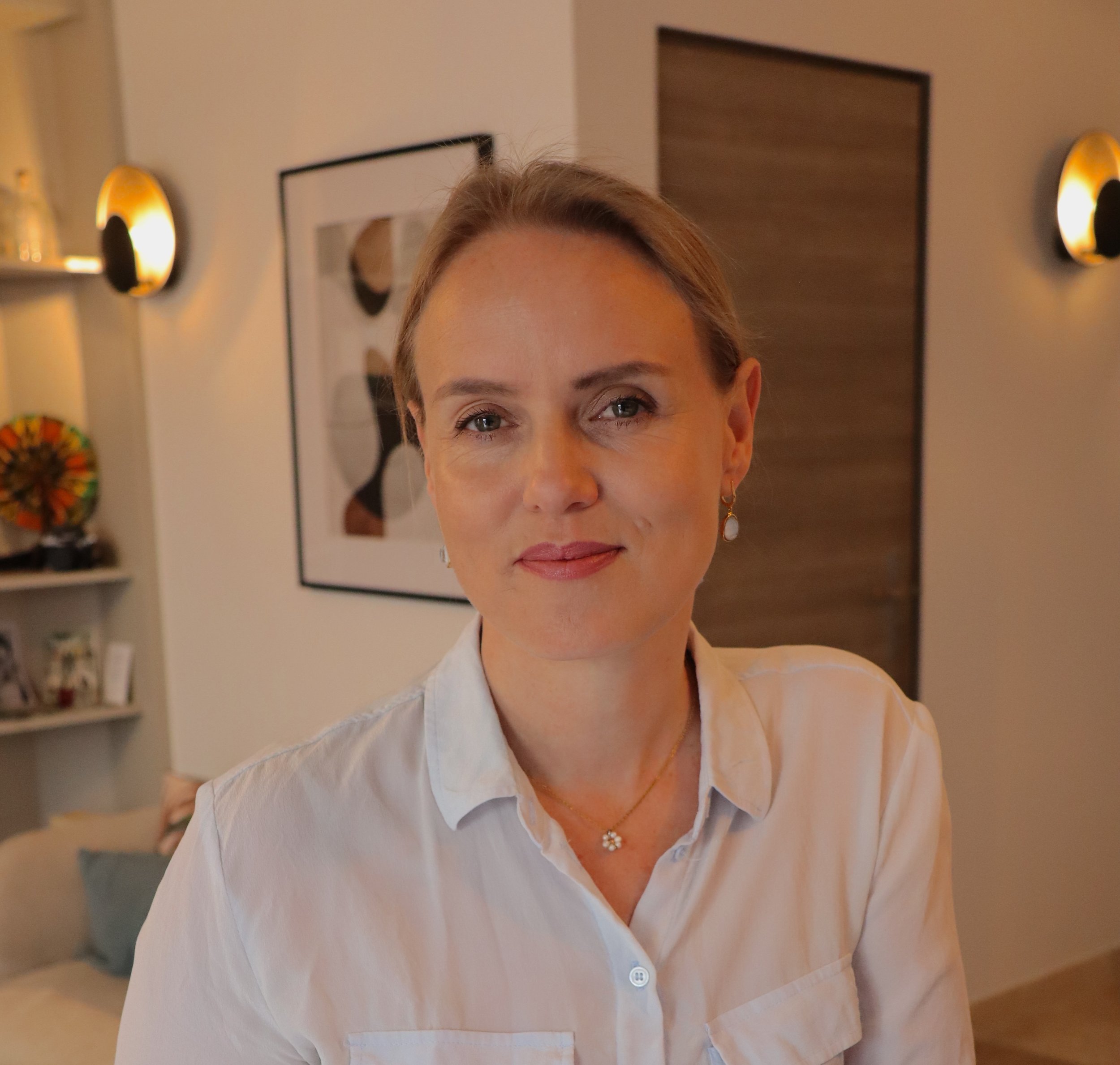
Lara Lark

Lara is a certified Relationship and Intimacy Coach and ABS-certified Sexologist. Originally from South Africa and now based in the South of France, she holds a degree from La Sorbonne and offers sessions in French and English.

She is also a certified Embodiment Practitioner and has completed training in a range of therapeutic and relational modalities, including Somatic Experiencing, Polyvagal Theory, Nonverbal Communication, and the Gottman Method (Level 1).

Her work supports people in developing more embodied, authentic, and aligned relationships with themselves and others.


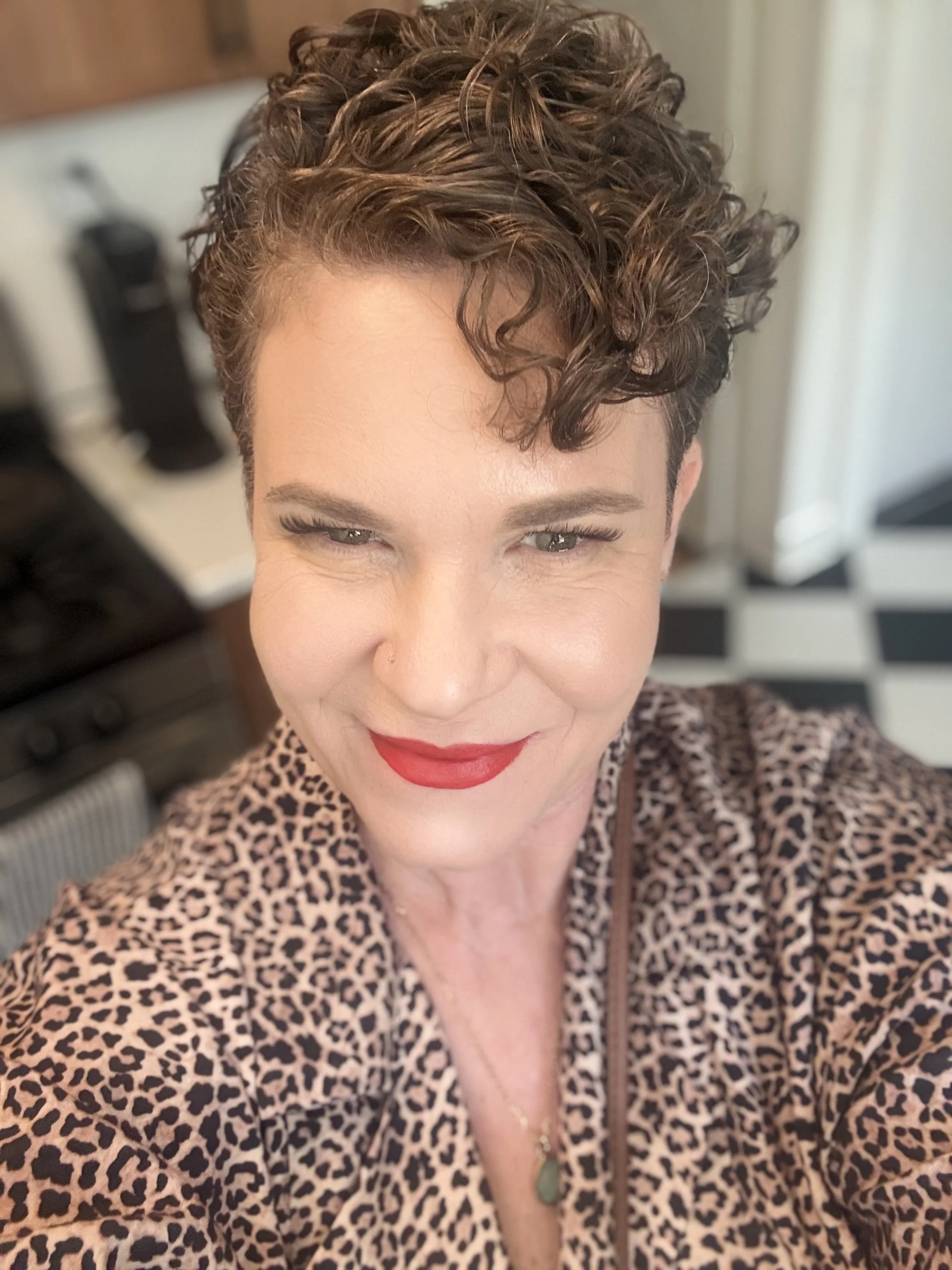
Odelia Shargian, SEP, RSMT/E

Odelia is a Somatica®-certified Somatic Sex and Relationship Coach, ABS-certified Somatic Sexologist, and Registered Somatic Movement Therapist and Educator.

With a BA in Psychology and extensive experience in counseling, she integrates body-based and relational approaches including Somatic Experiencing, Somatica®, and Inner Relationship Focusing.

Her work helps people deepen connection with themselves and others through greater embodiment, intimacy, and relational awareness.

You don’t have to wait until a relationship is deeply damaged to learn how to repair.

Learn not just how to move through conflict differently, but how to find your way back when connection has been broken.

 
mint.jpg